SMART HOMES
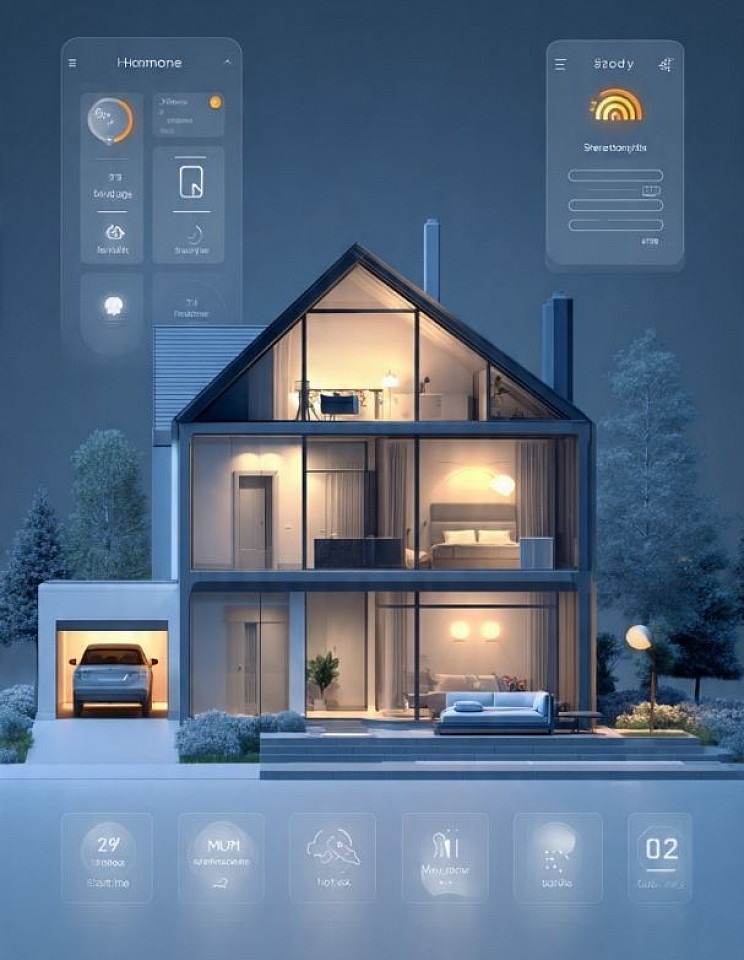
Building a Smart System house
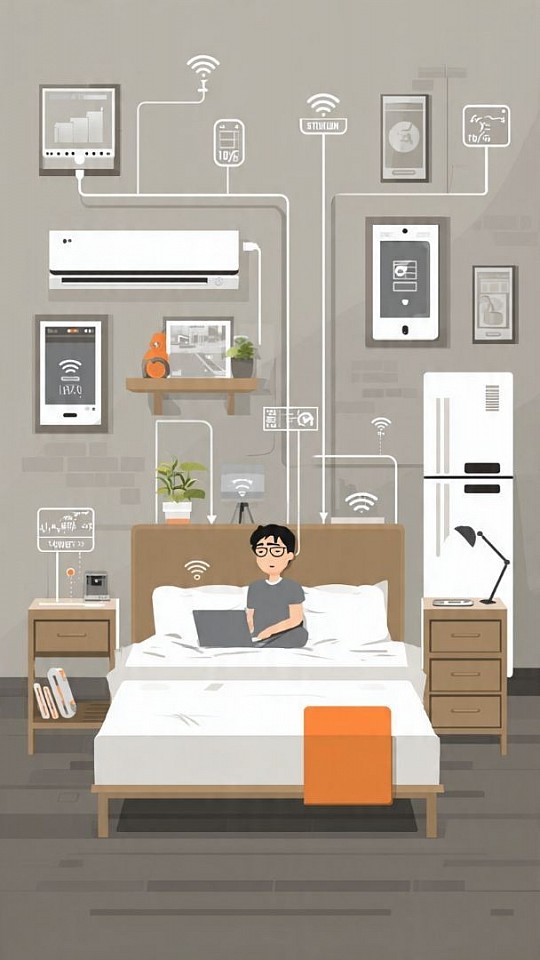
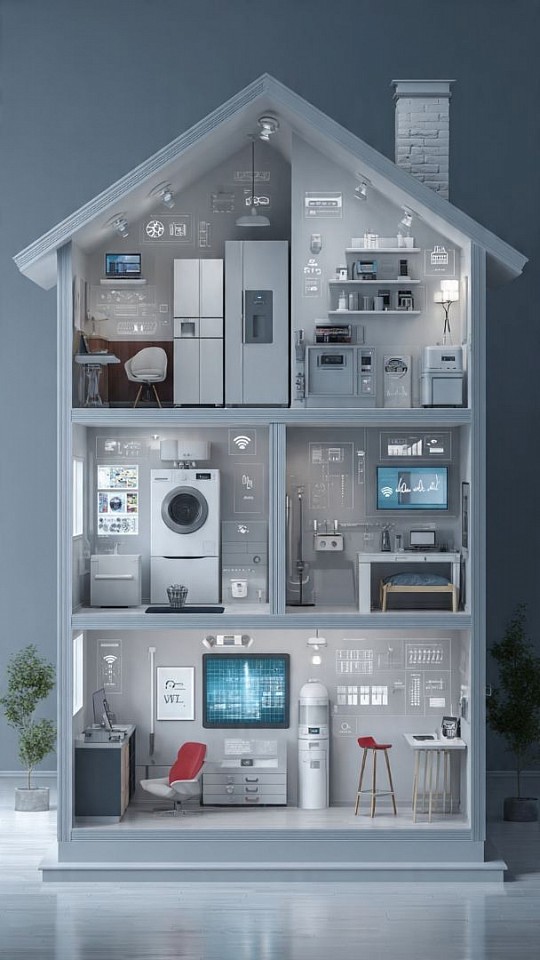
Building a "smart system house" in 2026 is less about buying individual gadgets and more about creating an invisible, unified ecosystem that handles energy, security, and comfort automatically.
Given modern trends and the specific needs for a resilient home, here is a blueprint for a high-performance smart system.
1. The Core Backbone: Unified Control
In 2026, the "Matter" and "Thread" standards are the industry gold standard, allowing different brands (Apple, Google, Amazon, Samsung) to talk to each other without lag.
Central Hub: Move away from multiple apps. Use a unified OS like Yubii or ELAN to consolidate lighting, gates, security, and climate into one interface. Wi-Fi 7 & PoE: Install a Wi-Fi 7 mesh system for high-speed data and use Power over Ethernet (PoE) for security cameras so they don't rely on batteries or vulnerable Wi-Fi signals.
2. Smart Energy Management (The "Resilient" Home)
Since energy independence is a priority, your house should manage power like a small enterprise.
Predictive Solar & Storage: Instead of a basic inverter, use an AI-driven system that checks weather forecasts. If a cloudy day is coming, it proactively charges your batteries from the grid during low-tariff off-peak hours. Smart DB Board: Replace your traditional distribution board with a Smart Load Shedding Panel. This allows you to remotely toggle heavy-draw appliances (like geysers or pool pumps) to ensure your battery lasts through the night. Automated Geyser Control: Use a smart controller (like CBI Astute) to ensure water is heated only when solar production is at its peak.
3. High-Tier Security Integration
Security in 2026 is proactive rather than reactive.
Biometric Access: Mortise-style smart locks with fingerprint or palm-vein scanners eliminate the need for keys or even phones. AI Perimeter Defense: Cameras with Human/Vehicle Detection can distinguish between a stray cat and a person. You can program "Active Deterrence" where the system triggers garden lights or a pre-recorded voice warning if someone loiters near the boundary for too long. Automated Response: Link your alarm to your lighting. If the alarm is triggered, all internal and external lights can flash to disorient an intruder and signal for help.
4. Adaptive Comfort & Wellness
Circadian Lighting: Smart bulbs that mimic natural sunlight—bright and cool during the day for focus, and warm amber in the evening to help the family wind down. Climate Geofencing: Your HVAC system uses geofencing to detect when you are 5km from home, automatically cooling or heating the house to your preferred temperature before you walk through the door. Automated Irrigation: A smart controller connected to a local weather station that cancels the watering schedule if rain is detected, saving water.
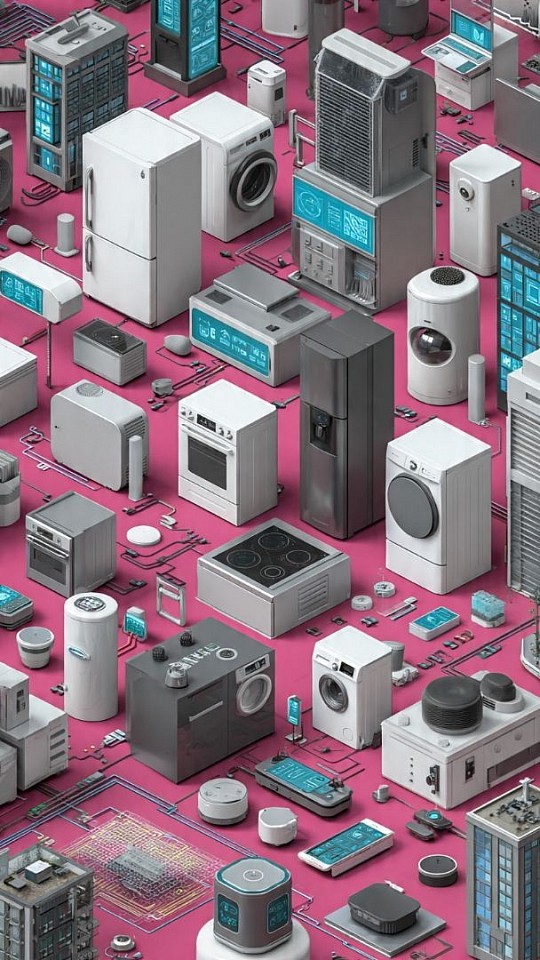
Comparison of Smart Ecosystems
INTERGRATION
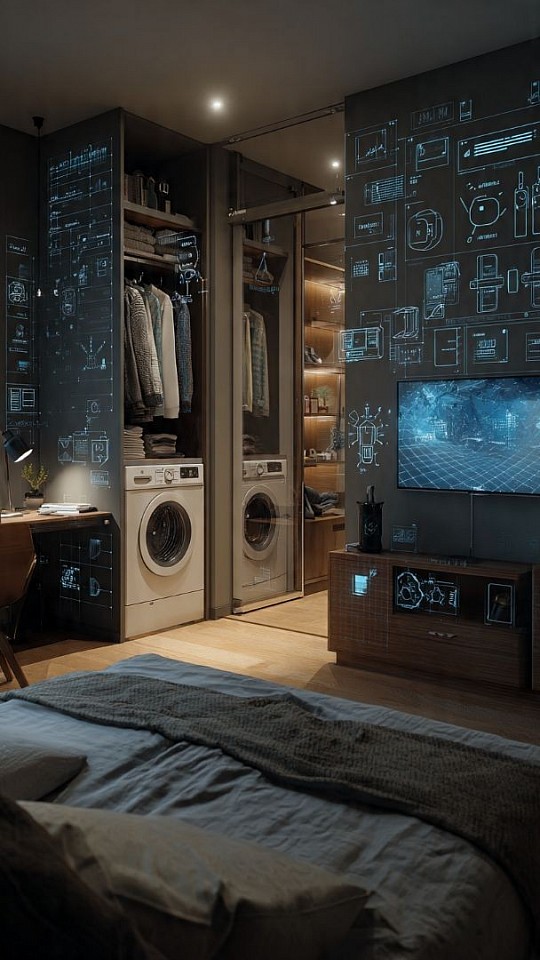
The image shows a futuristic smart bedroom with various appliances and devices integrated into a seamless system. Voice-controlled lights, a smart thermostat, and automated curtains create a cozy ambiance. A central hub connects devices, allowing control via a tablet or voice assistant. The room features a smart mirror, robotic vacuum, and personalized entertainment system, showcasing a highly connected and convenient living space 🌟.
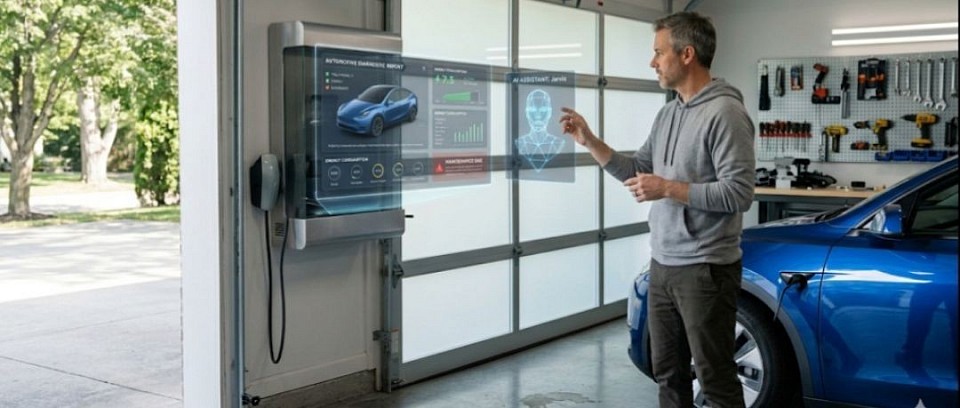
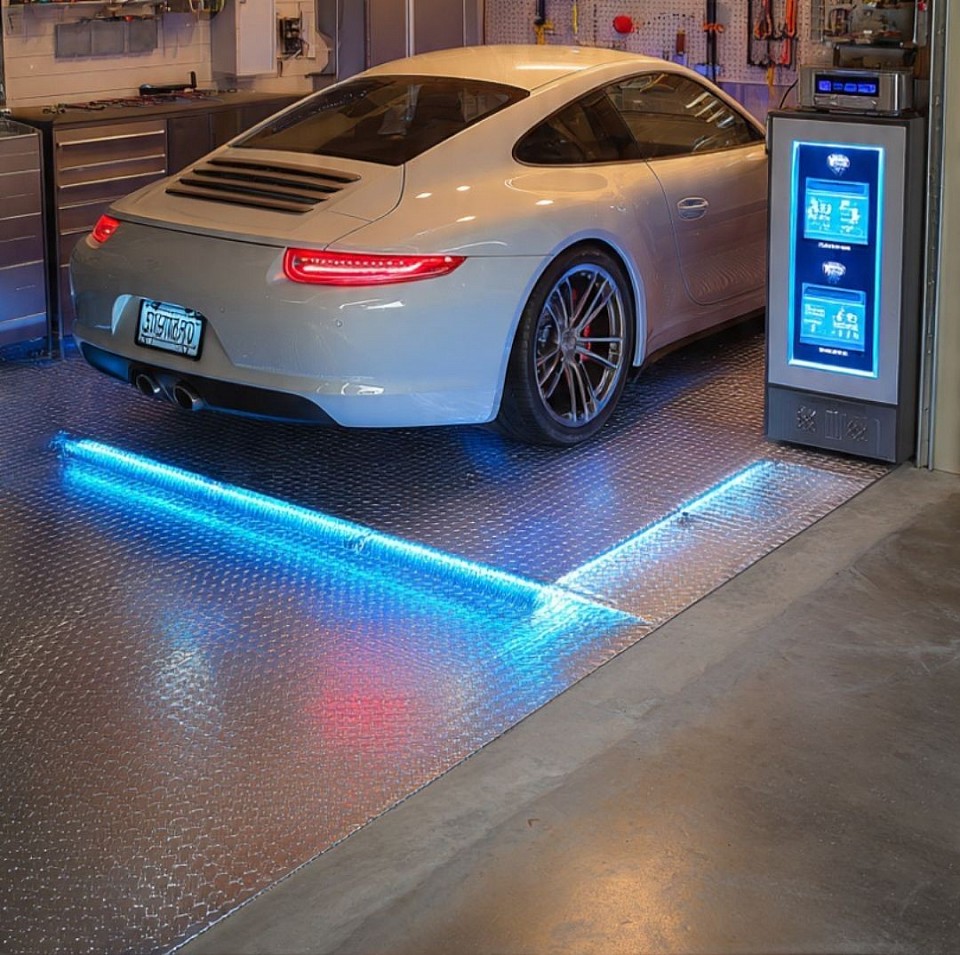
SMART GARAGE,MANS BEST FRIEND